How to Spot Fake Tour Operators in Hanoi
You'll see them everywhere. Flyers slapped on lampposts, cards thrust into your hand. "Halong Bay luxury cruise, $20!" "Sapa trek, all-inclusive, $15!" My friend, let's be real for a second. A cheap bowl of pho costs $2. That tour price is a flashing red siren. Legitimate operators have fuel costs, guide salaries, boat maintenance. That $15 doesn't even cover your bus seat. These tours exist to get you in a van. Then the "additional fees" start. National park ticket? Extra. Lunch? Oh, that wasn't included. Suddenly your bargain is triple the price, and you're stuck. If the price seems insane, it's a scam. Period.
The "Grey" Office and Why You Should Run
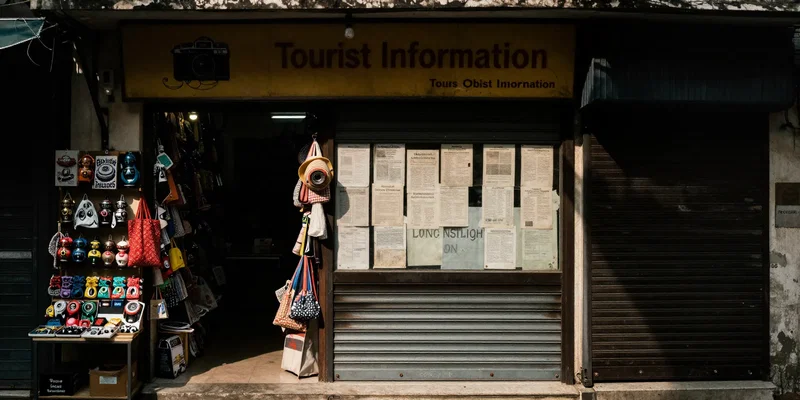
Here's a simple trick. A real, licensed tour company in Vietnam has a legal obligation to display their official business license. It's usually a gold-framed document on the wall. Walk into any hole-in-the-wall "travel agency." Look at the walls. See any official-looking certificates with stamps and numbers? Or is it just glossy brochures and a smiling guy with a calculator? No license, no business. These are often just hustlers booking you onto random minibuses with no insurance, no accountability. Your safety is not their paperwork. If the office feels more like a closet than a company, trust that feeling. Walk out.
The Digital Ghost Town Website
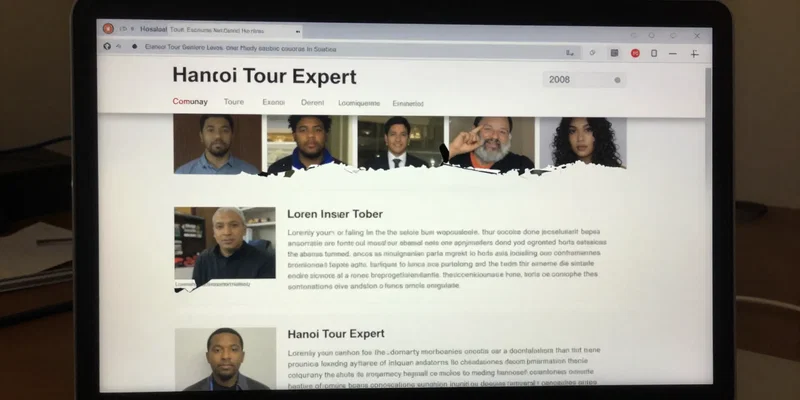
Everyone checks online first. Good. But scammers know this too. So they throw up a basic website. Your job is to play detective. Look for an actual address, not just "Hoan Kiem District." A real company lists a real street. Check the "About Us" page. Is it generic drivel copied from the internet, or does it talk about specific founders, a story? No phone number? Major red flag. Now, go beyond the site. Search the company name on TripAdvisor, Google Maps, and travel forums. Read the *bad* reviews. Are there consistent complaints about being swapped to a different tour, or hidden costs? If their digital footprint is a ghost town except for their own shiny site, be very, very suspicious.
The Upfront Cash Grab vs. The Secure Payment
This is the moment of truth. You've agreed on a tour. Time to pay. The script for a dodgy operator is always the same: "Cash only, please. Full payment now." They might claim the credit card machine is "broken" or offer a "big discount for cash." Here's the thing. This isn't about a discount. It's about leaving zero trace. Once you hand over that cash, your leverage disappears. A legitimate business will offer multiple payment paths: a secure online portal, a bank transfer, or credit card payment at their official office with a proper receipt. They're not afraid of a paper trail. They're insured. If someone insists on cash-only for a multi-day trip, you are not dealing with a professional. You're funding someone's weekend.
Your Gut Is Your Best Travel App
Let's get philosophical for a second. All the tips in the world boil down to this. You have a built-in scam detector. It's that little knot in your stomach. The feeling that the guy is *too* pushy. The sense that the office is *too* hidden. The hesitation when they avoid a direct answer. We often ignore it to be polite, to avoid conflict. In Hanoi, that instinct is your most valuable currency. If something feels off, it almost certainly is. A genuine operator will answer your questions patiently, show you proof, and never make you feel rushed or pressured. Your gut isn't paranoia. It's pattern recognition. Listen to it.