Emergency Contacts You Must Save Before Visiting Cambodia
Let's be real. You're packing for Cambodia thinking about temples, tuk-tuks, and that perfect Instagram shot at Angkor Wat. Your brain is buzzing with excitement. That's exactly when smart travel prep gets tossed out the window. I've been there. But here's the thing: the single most important item you'll bring isn't in your bag. It's in your phone. A few stupidly simple numbers can be the difference between a minor hiccup and a full-blown nightmare. Think of it as travel insurance you don't have to pay for. Just save it.
The Core Three: Cambodian Emergency Numbers
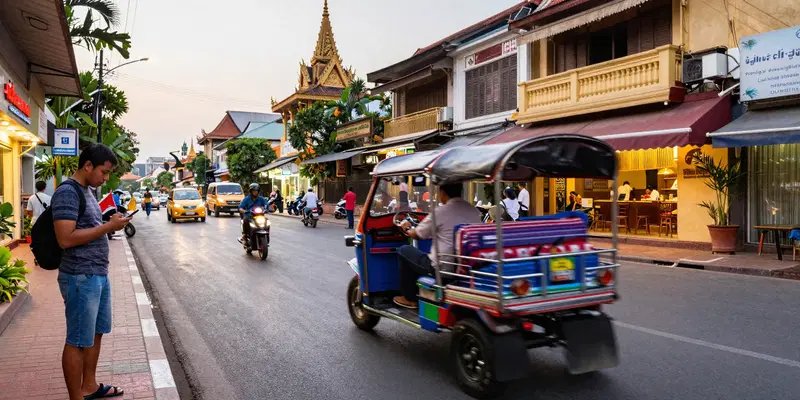
First up, the local basics. These are the Cambodian national emergency numbers. Save them right now. I'll wait. The police are 117 . For an ambulance or medical emergency, dial 119 . If you see fire (which, let's hope you don't), that's 118 . Got it? Good. Now, a dose of reality. Services can be... variable outside major cities. Response times might not be what you're used to. That's not a reason to skip saving them—it's the exact reason you need more layers of backup. The tourist police (number coming up) are often a better first call for visitors.
Your Real Lifelines: Tourist Police & Your Embassy
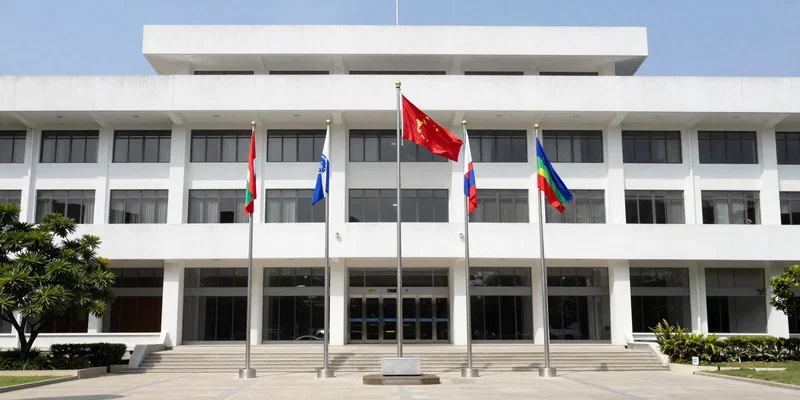
Here’s where the real prep starts. The Cambodian Tourist Police are trained to handle issues foreigners face. Their English is generally better. Save this: +855 12 969 991 or 023 213 206 . Put it as "Tourist Police Cambodia" in your contacts. Next, find your country's embassy or consulate. Google "[Your Country] embassy Phnom Penh." Save the 24-hour emergency number for citizens abroad. Not the general inquiry line—the *emergency* line. For Americans, it's a different number. For Brits, another. For Australians, another. This is non-negotiable. If you lose your passport or get into serious legal trouble, these people are your only direct link to home.
Building Your Safety Net: Beyond the Obvious
Alright, you've got the official stuff. Let's get smart. Your safety net needs more threads. Save the number and address of your hotel or guesthouse. If you're doing a tour, save your guide's contact. Get a local SIM card—it's cheap and makes all of this infinitely easier. Here's a pro tip: take a photo of your passport's main page and your visa stamp. Email it to yourself. Now it's in the cloud. Also, tell a friend or family member back home your rough itinerary and give them a copy of these emergency contacts. It feels paranoid until the moment you need someone to make a call on your behalf.
How to Actually Use These Contacts (When Your Heart is Racing)
Saving numbers is one thing. Using them under stress is another. Your brain might freeze. So, have a game plan. If you're in immediate danger, scream, shout, and get to a public place first. Then call. If it's a medical issue, call the tourist police first—they can often help coordinate better than a direct 119 call. For anything involving theft or lost documents, your embassy is step one. Speak slowly and clearly. Give your location as simply as possible: "I am at the blue guesthouse on Street 123 in Siem Reap." Have that passport photo ready to reference your details. Preparation isn't about expecting the worst. It's about owning your peace of mind so you can actually enjoy the incredible adventure ahead.